
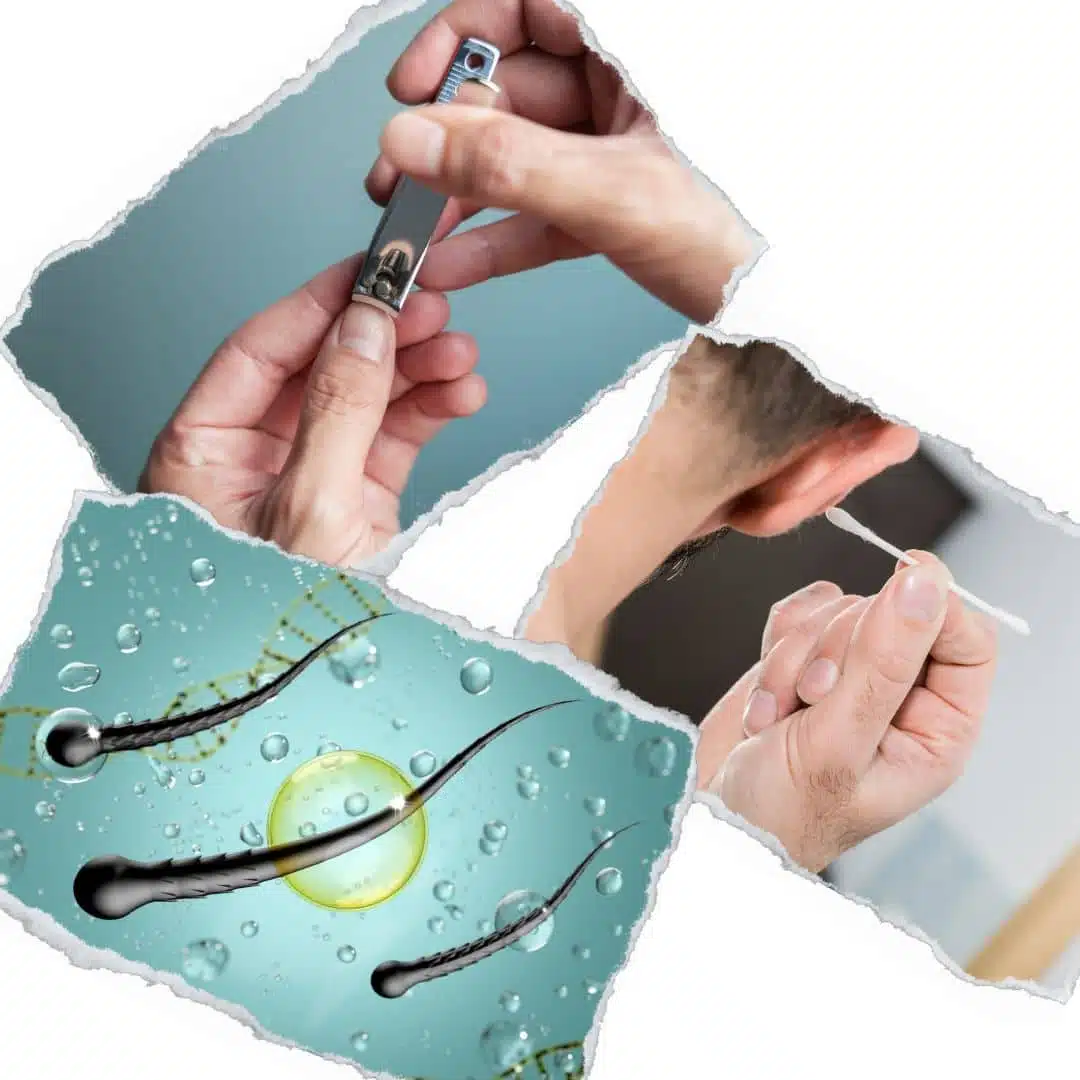
Discreet DNA Relationship Test With Non-Standard Samples
When a standard cheek-swab sample from a participant is unavailable, certain non-standard biological samples may sometimes be considered for personal DNA relationship testing.
Depending on the biological relationship being investigated and the samples available, non-standard sample testing may be considered for suitable personal relationship cases, subject to laboratory assessment.
These samples may include suitable personal or biological items that could contain recoverable DNA. Unlike a freshly collected cheek swab, however, the amount and quality of DNA contained in a non-standard sample cannot be assumed.
Suspire coordinates suitable non-standard sample DNA relationship testing for customers across the UAE, Saudi Arabia and supported GCC countries.
How Is a Non-Standard Sample DNA Test Different?
Standard cheek swabs are collected specifically for DNA testing and usually provide a reliable source of biological material.
Non-standard samples may contain less DNA, degraded DNA, mixed DNA or biological material affected by storage, age, moisture, environmental exposure or contamination.
Possible Non-Standard DNA Samples
Several types of unusual biological samples may be considered for personal DNA relationship testing, subject to laboratory assessment and mandatory viability testing.
How Discreet DNA Relationship Testing With Non-Standard Samples Works
Unlike a standard home DNA kit, this process begins by identifying which relationship needs to be investigated and what sample is available before anything is submitted.

Step-by-Step Non-Standard Sample DNA Testing Process
1. Tell Us What Relationship You Need to Test
Contact Suspire and explain the biological relationship you want to investigate and which participants or samples are available.
2. Tell Us What Sample You Have
Explain the type of non-standard sample available so its potential suitability can be reviewed before submission.
3. Receive Sample-Specific Instructions
We provide the appropriate collection, storage, packaging and submission guidance for the applicable sample type.
4. Mandatory Viability Testing
The laboratory determines whether sufficient usable DNA can be recovered from the submitted non-standard sample.
5. DNA Relationship Analysis
If the sample is viable, the recovered DNA profile may proceed to the appropriate personal DNA relationship analysis.
6. Confidential Results
Once the applicable laboratory analysis is completed, confidential personal informational results are released according to the case procedure.
Mandatory DNA Sample Viability Testing
Every non-standard sample requires viability testing before DNA relationship analysis can proceed.
Viability testing determines whether the laboratory can recover enough usable genetic material from the submitted sample for further DNA analysis.
Sufficient usable DNA has been recovered.
The recovered DNA profile may proceed to the appropriate personal DNA relationship analysis.
Sufficient usable DNA could not be recovered.
Another suitable sample must be provided if testing is to continue.
What Happens If the Sample Is Non-Viable?
If the laboratory cannot recover sufficient usable DNA, the sample is classified as non-viable.
Viability Fee Remains Non-Refundable
The laboratory work required to assess the sample has already been performed, so the viability testing fee is not refunded.
Replacement Sample Required
Another suitable sample must be provided if the DNA relationship testing request is to continue.
Submitted Sample Cannot Be Returned
Once the non-standard sample has been submitted and received for laboratory testing, it cannot be returned.
The Case Does Not Automatically End
A non-viable sample does not automatically cancel the testing request. Testing may continue once an appropriate replacement sample is submitted and accepted.
Non-Standard DNA Sample Testing Price
Non-standard sample DNA relationship testing involves two separate laboratory stages.
Stage 1 — Mandatory Viability Testing
From AED 1,000 per sampleThe exact viability-testing charge depends on the type of biological material and applicable laboratory requirements.
The viability fee is non-refundable.
Stage 2 — DNA Relationship Analysis
Case-SpecificIf sufficient usable DNA is recovered, the appropriate personal DNA relationship analysis may proceed.
Suspire will confirm the applicable relationship test and testing cost according to the biological relationship being investigated and the participants or samples available.
Non-Standard Sample DNA Testing Is for Personal Use Only
Non-standard samples such as suitable hair, nail clippings, used toothbrushes, ear-wax samples or other biological materials are not collected through a formal identity-verification or witnessed collection process.
The laboratory first performs mandatory viability testing to determine whether sufficient usable DNA can be recovered. If the sample is viable, the recovered DNA profile may proceed to the appropriate personal DNA relationship analysis.
Authority to Submit a Biological Sample
Customers are responsible for ensuring that they have the appropriate authority, consent or lawful basis to submit biological material for testing where required.
Legal and privacy requirements can vary between jurisdictions.
Specialist Laboratory Analysis
Suitable non-standard sample cases arranged through Suspire are submitted for specialist laboratory evaluation.
Non-standard samples must first undergo viability assessment. Relationship analysis proceeds only when sufficient usable DNA can be recovered and the sample is suitable for the applicable test.
You can review information about our established laboratory partners and credentials on the Laboratory Credentials page.
Discreet DNA Relationship Testing Across UAE & GCC
Suspire supports suitable non-standard sample DNA relationship testing cases across the UAE and supported GCC locations, subject to laboratory, sample and logistics requirements.
Frequently Asked Questions About Discreet DNA Relationship Testing
What is a non-standard DNA sample?
A non-standard sample is biological material other than a freshly collected standard cheek swab or blood sample collected specifically for DNA testing.
Can non-standard samples be used for DNA relationship testing?
Certain non-standard samples may potentially be used for personal DNA relationship testing. The appropriate testing method depends on the biological relationship being investigated, the participants available and whether usable DNA can be recovered from the submitted sample.
Is this service only for paternity testing?
No. Non-standard sample testing is not necessarily limited to paternity cases. Depending on the biological relationship being investigated, available participants and laboratory requirements, a suitable non-standard sample may potentially be considered for other personal DNA relationship analyses.
Contact Suspire before submitting a sample so the appropriate testing pathway can be reviewed.
Can a paternity test be performed using a non-standard sample?
In some personal paternity cases, a suitable non-standard sample may potentially provide recoverable DNA from the participant being tested.
The sample must first undergo viability testing before relationship analysis can proceed.
Do all non-standard samples require viability testing?
Yes. Every non-standard sample submitted through this pathway requires mandatory viability testing before DNA relationship analysis can proceed.
How much does viability testing cost?
Viability testing currently starts from AED 1,000 per sample.
The exact charge depends on the sample type and applicable laboratory requirements.
Is the viability testing fee refundable?
No. The viability-testing fee is non-refundable, including when sufficient usable DNA cannot be recovered from the sample.
What happens if my sample is not viable?
If sufficient usable DNA cannot be recovered, another suitable sample must be provided if testing is to continue.
The original viability-testing fee remains non-refundable.
Can I get my submitted sample back?
No. Once a non-standard sample has been submitted and received for laboratory testing, it cannot be returned.
Can hair be used for DNA relationship testing?
Certain hair samples may potentially contain recoverable DNA, but suitability depends on the material supplied and the relationship test required. Mandatory viability testing is required first.
Can nail clippings be used for DNA testing?
Fingernail or toenail clippings may sometimes be considered as a non-standard DNA sample, subject to mandatory viability testing and laboratory assessment.
Can a toothbrush be used as a DNA sample?
A used toothbrush may contain biological material suitable for DNA recovery, but this is not guaranteed. Viability testing must be performed before further analysis.
Can ear wax or an ear swab be used?
Certain ear-wax or ear-swab samples may be considered, depending on the biological material available and the laboratory's assessment.
Should I collect the sample before contacting Suspire?
Whenever possible, no. Contact Suspire first because collection, storage, packaging and transportation requirements vary according to sample type.
Does submitting a non-standard sample guarantee usable DNA?
No. Non-standard samples are not guaranteed to contain sufficient recoverable DNA. This is why viability testing is required.
What can affect DNA recovery from a non-standard sample?
Sample age, storage conditions, environmental exposure, moisture, contamination, the amount of biological material and handling can all affect DNA recovery.
Can this non-standard sample DNA test be used for legal purposes?
No. This non-standard sample and viability-testing pathway is intended for personal and informational DNA relationship testing only.
There is no legal or Chain-of-Custody option for privately obtained non-standard samples submitted through this service.
How long does non-standard sample DNA testing take?
Turnaround varies because viability testing must be completed before the appropriate relationship analysis can proceed.
The overall timeframe also depends on sample type, sample quality, the relationship analysis required, laboratory processing and courier transit for UAE and GCC cases.
Is discreet DNA relationship testing available in the UAE?
Suspire coordinates suitable non-standard sample DNA relationship cases across supported locations in the UAE, including Dubai, Abu Dhabi, Sharjah and other Emirates, subject to case and laboratory requirements.
Is non-standard sample DNA testing available in Saudi Arabia?
Suspire can coordinate suitable cases from supported Saudi Arabian locations, subject to sample assessment, laboratory requirements and applicable logistics.
What should I do first if I have a hair, toothbrush, nail or other sample?
Contact Suspire before collecting, packaging or shipping the sample. Tell us exactly what material is available and which biological relationship you are trying to investigate.
Have a Hair, Nail, Toothbrush or Other DNA Sample?
Tell us what sample is available and which biological relationship you need to investigate. We will review the case and explain the appropriate sample-handling and testing pathway before you send anything.
DISCUSS YOUR SAMPLE FIRST
