
What Samples Can Be Used for a DNA Test?
DNA test samples can range from a simple cheek swab to certain non-standard biological materials. But having an item that may contain DNA does not automatically mean it will produce a usable DNA profile.
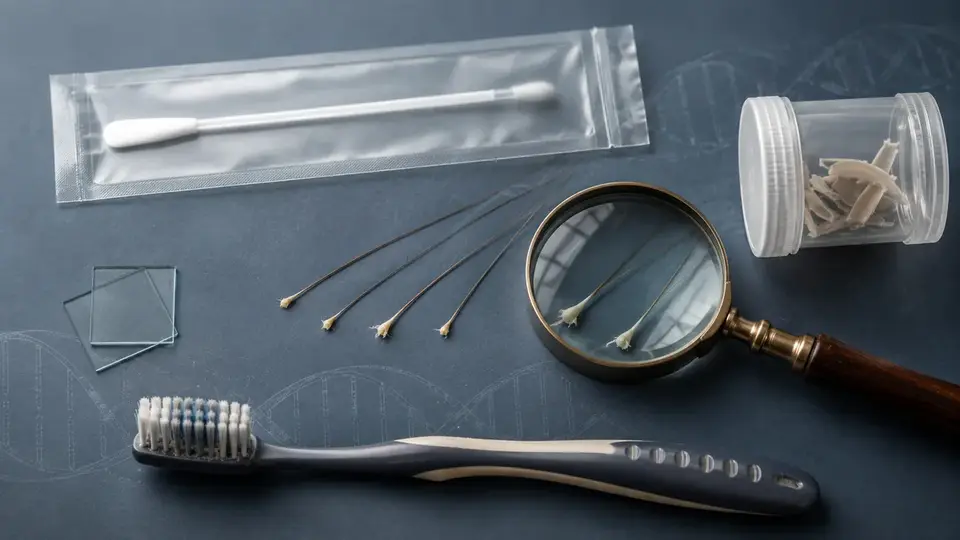
Why Is a Cheek Swab the Standard DNA Sample?
A cheek swab collects cells from the inside of the mouth using a sterile swab. It is simple, non-invasive and specifically designed for DNA collection.
For home paternity testing, cheek swabs are commonly used because they provide biological material that can be collected easily and processed efficiently by the laboratory.
That is why most routine relationship DNA tests begin with cheek swabs rather than unusual personal items.
Standard and Non-Standard DNA Test Samples
What Does “Non-Standard DNA Sample” Mean?
A non-standard sample is a biological material that was not collected using the routine cheek-swab method.
Certain unusual biological materials may sometimes be suitable for personal relationship testing. However, they need to be assessed first because the laboratory must determine whether enough usable DNA can be recovered.
Cheek Swab
The standard sample for most routine relationship DNA testing.
Hair
Hair suitability depends on the sample provided. The laboratory may need to assess whether sufficient usable biological material is present.
Nail Clippings
Nail clippings may sometimes be considered as a non-standard DNA sample, subject to mandatory viability testing.
Used Toothbrush
Biological material may remain on a used toothbrush, but a usable DNA profile cannot be assumed until laboratory assessment is completed.
Why Can One Sample Work While Another Fails?
Finding an object that has been in contact with a person is not the same as guaranteeing that the object contains enough recoverable DNA for relationship testing.
Several factors can affect whether usable DNA can be recovered:
- the type of biological material present,
- how much biological material is available,
- the age and condition of the sample,
- how the sample was stored,
- environmental exposure, and
- possible contamination from other people.
That is why viability testing comes first.
With a non-standard sample, the first laboratory question is usually not: “Who is the biological father?”
It is: “Can we recover enough usable DNA from this sample to perform the test?”
What Is a DNA Sample Viability Test?
A viability test evaluates whether sufficient usable DNA can be recovered from a non-standard sample.
This step takes place before the sample proceeds to the full relationship analysis.
For Suspire's non-standard sample process, every non-standard sample requires mandatory viability testing. The viability fee starts from AED 1,000 per sample and varies depending on the sample type. The viability fee is non-refundable.
If the sample is found to be non-viable, another suitable sample must be provided. Once a submitted non-standard sample has been received for testing, it cannot be returned.
What Happens After a Non-Standard Sample Is Submitted?
Can Hair Be Used for a DNA Test?
Hair is one of the most frequently misunderstood DNA sample types.
The answer is not simply “any strand of hair will work.”
Whether a hair sample is suitable depends on the biological material present, the condition of the sample and the testing method used by the laboratory. For that reason, hair should be discussed with the testing provider before it is collected or submitted.
No. The laboratory first needs to determine whether the submitted material contains sufficient usable DNA.
Can Nail Clippings Be Used for DNA Testing?
Yes, nail clippings may sometimes be accepted as a non-standard sample for personal relationship testing.
However, they still require mandatory viability testing. A sample that looks perfectly normal to the eye does not necessarily contain enough recoverable DNA for the required laboratory analysis.
Can a Toothbrush Be Used for a DNA Test?
A used toothbrush may contain cells left behind during normal use.
Because the presence and quality of recoverable DNA can vary, laboratory assessment is necessary before a toothbrush sample can proceed to relationship testing.
A toothbrush should therefore not be treated as the equivalent of a freshly collected cheek swab.
Does More Material Mean a Better DNA Sample?
Not necessarily.
A large amount of poor-quality or contaminated material may be less useful than a smaller properly collected sample containing suitable biological material.
Sample quality and recoverable DNA matter more than simply submitting a larger item.
Can Samples Become Contaminated?
Yes.
A non-standard item may have been touched or used by more than one person. Environmental exposure and handling can also affect the sample.
This is another reason customers should avoid repeatedly handling a potential sample and should obtain collection and storage instructions before submission.
Is a Non-Standard Sample the Same as a Legal DNA Sample?
Personal / Informational Testing
Non-standard samples may sometimes be considered for private relationship testing when laboratory requirements are satisfied.
Legal / Chain-of-Custody Testing
Legal relationship testing follows a controlled process involving verified participant identification, witnessed sample collection and documented chain of custody.
A privately collected personal item is therefore not automatically suitable for a legally admissible DNA test.
What Should You Do If You Already Have a Non-Standard Sample?
Do not assume that the item should simply be packaged and shipped.
Different sample types can require different collection and storage procedures. It is better to identify the sample first and obtain the correct instructions before sending it.
Already have a hair, nail, toothbrush or another unusual sample?
Suspire's Discreet Paternity DNA Test page explains the consultation-first process for non-standard paternity samples, including mandatory viability testing.
Learn About Non-Standard Paternity Testing →DNA Diagnostics Center — Home Paternity Testing
DNA Diagnostics Center provides additional information about standard cheek-swab collection and the use of certain unusual samples for non-legal relationship testing.
Read DDC's Home Paternity Testing Information →Frequently Asked Questions About DNA Test Samples
What is the best sample for a DNA paternity test?
A properly collected cheek swab is normally the preferred sample for routine personal relationship testing.
Can hair be used for a DNA test?
Some hair samples may potentially provide usable DNA, but suitability depends on the sample and laboratory requirements. The sample should be discussed with the testing provider before submission.
Can nail clippings be used for a paternity test?
Nail clippings may sometimes be accepted as a non-standard sample. They must undergo viability testing before relationship analysis.
Can a used toothbrush provide DNA?
A used toothbrush may contain biological material, but a usable DNA profile is not guaranteed. Laboratory viability assessment is required.
Do all non-standard samples need viability testing?
Under Suspire's current non-standard sample process, yes. Every non-standard sample undergoes mandatory viability testing before relationship analysis.
What happens if a sample is not viable?
Another suitable sample must be provided. The viability testing fee remains non-refundable, and a submitted sample cannot be returned once received for testing.
Can a non-standard sample be used for a legal DNA test?
Privately collected non-standard samples generally do not satisfy formal chain-of-custody requirements. Legal testing requires a controlled collection process.
The Sample Is Only the Beginning
DNA testing is not simply a matter of finding something that once touched a person.
A good relationship test depends on obtaining sufficient usable DNA, knowing whose sample is being analysed and using the correct laboratory process for the question being investigated.
That is why a simple cheek swab remains the preferred sample whenever possible, while unusual samples require additional assessment before they can be relied on.
